
San Diego’s Gem-Filled Past: A Journey through the Tourmaline Mines of Southern California
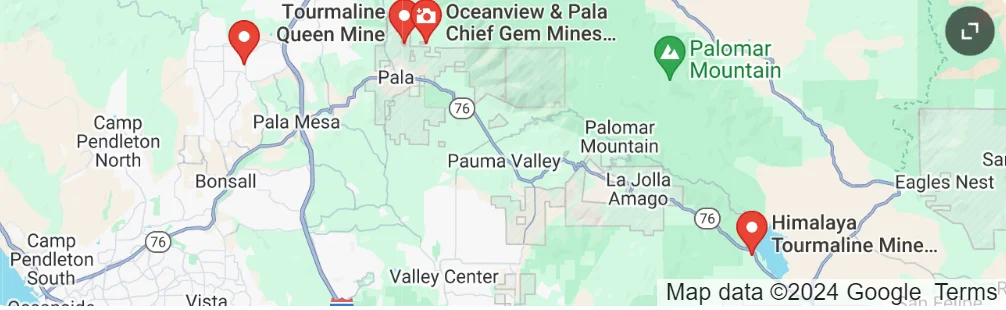
Tourmaline is still mined in San Diego County. Nestled in the southern reaches of California, this gem field boasts a rich and fascinating history that extends far beyond its sun-kissed beaches and vibrant city life. Beneath the golden sands and rolling hills lies a geological treasure trove that has captivated explorers and collectors for centuries. This article delves into the captivating world of San Diego’s mining heritage, exploring the discovery, extraction, and global impact of its precious gems.
A Mining Frontier Emerges
The allure of precious metals and stones has drawn adventurers to California since the early 19th century. While the Gold Rush of 1848 primarily focused on the northern part of the state, southern California also harbored significant mineral deposits. In the hills surrounding Los Angeles, pioneers stumbled upon gold as early as 1842, sparking a modest mining boom. However, the region’s gold reserves were relatively limited compared to those found in Northern California, preventing it from becoming a major gold-producing center.
Tourmaline – The Empress Dowager’s Obsession
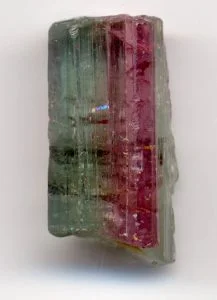
Beyond gold, southern California’s geological formations concealed a wealth of other valuable minerals. As miners explored the hills of Riverside and San Diego Counties, they encountered pegmatite dikes, rock formations that often contain large crystals of various minerals. One particularly remarkable discovery was the abundance of pink tourmaline in the Mesa Grande area.
This gem, with its vibrant hue, captured the imagination of the Empress Dowager of China, who developed an intense fascination with it.
To satisfy the Empress’s desire for pink tourmaline, Tiffany & Co., a renowned jeweler, established a trade relationship with southern California. Miners would extract the gems, and
Tiffany’s gemologist, J.L. Tannenbaum, would oversee the selection and shipment of the finest specimens to China.
This lucrative trade continued for several years, until the Empress’s death in 1911. During this period, San Diego County supplied China with an astonishing 120 tons of gem-quality pink tourmaline!

Beyond Tourmaline: A Gem-Filled Landscape
Pink tourmaline was not the only gemstone to emerge from southern California’s mines. Pale blue topaz, known for its clarity and brilliance, was another prized find. San Diego jeweler John W. Ware operated a small mine on Smith Mountain, producing high-quality topaz that quickly gained popularity. To meet the growing demand, Ware even had to import topaz from other sources to supplement his local supply.
Two other unique gems, kunzite and morganite, were also discovered in San Diego County. Kunzite, a pale pink spodumene, was initially the subject of some confusion among miners regarding its identity. After being analyzed by gemologist George F. Kunz, it was officially named in his honor. Morganite, a pale purple or pink beryl, was discovered in the Sempe and Tourmaline Queen mines and named for J.P. Morgan, a prominent patron of Tiffany & Co.
The Role of Miners and Jewelers in the delopment of Tourmaline Mining
The success of southern California’s mining industry was not solely dependent on the geological riches beneath the surface. Equally important were the skills and knowledge of the miners and jewelers who worked to extract, refine, and market these precious gems. Many individuals played pivotal roles in shaping the region’s mining legacy.
Joseph Jessop, a second-generation jeweler, was a prominent figure in the mining boom of the early 20th century. He owned and operated J. Jessop & Sons, a jewelry store in downtown San Diego, and sold many of the gems extracted from local mines. As a testament to the mining era’s significance, Jessop constructed the Horton Plaza clock tower, adorned with native gems like agate, topaz, and tourmaline.
John W. Ware, a jeweler-turned-miner, also made a significant contribution. He moved to San Diego from New York to capitalize on the mining opportunities and successfully operated a mine on Smith Mountain. Ware’s passion for gems led him to become one of the first certified gemologists in the United States.
A Modern-Day Tourmaline Renaissance
The mining boom in southern California eventually waned, but the region’s geological potential remained untapped. In the 1970s, a resurgence of mining activity began, thanks to the efforts of miners like Ralph Potter and Louis Spalding. These individuals played a crucial role in reviving interest in the area’s gems, showcasing their beauty and value to a wider audience.
Bill Larson, a contemporary mining figure, has further revitalized the industry.
As both a miner and a certified gemologist, Larson has been instrumental in discovering and developing new gem deposits.
His company, Pala Properties International, operates several mines in the region, including the Stewart Lithia, Tourmaline Queen, and Pala Chief mines. Larson’s commitment to preserving the mining heritage of southern California has helped to ensure its continued prosperity.
The Geological Origins of Tourmaline and other Gemstones at Pala California
The formation of gemstones in San Diego County is a fascinating process rooted in the region’s geological history. Millions of years ago, during the Mesozoic era, the area was situated near a subduction zone, where two tectonic plates collided. As one plate slid beneath the other, intense heat and pressure caused the Earth’s crust to melt, creating magma pockets. These magma pockets contained a variety of chemical elements, which, under the right conditions, crystallized into gemstones.
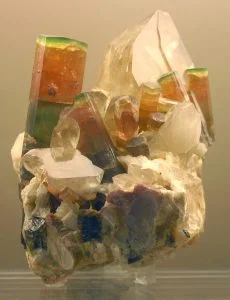
Over time, the magma cooled and solidified, forming pegmatite dikes filled with crystals of tourmaline, morganite, topaz, garnet, and other precious minerals. The unique geological conditions in southern California, including the presence of these pegmatite dikes and the accessibility of the minerals through erosion, have made the region a prime location for gem mining.
San Diego’s mining history is a testament to the geological wonders and human ingenuity that have shaped the region. From the early days of gold prospecting to the discovery of world-class gemstones, the mines of southern California have yielded a treasure trove of natural beauty. The legacy of the miners, jewelers, and gemologists who have contributed to this rich history continues to inspire and captivate those who appreciate the allure of precious stones.
Bill Larson, a prominent miner from Pala furnishes a very interesting narrative of the modern history of the his mine.
https://www.palagems.com/tourmaline-queen
Mindat photos from Pala mining district
a video from Oceanview Mine:
Frequently Asked Questions: San Diego’s Gem Mining History
San Diego County is world-renowned for its “gem-pocket” pegmatites. Here are five frequently asked questions about the region’s rich mining heritage:
1. Why was San Diego tourmaline so famous in China?
In the early 1900s, San Diego County was the primary supplier of pink tourmaline to the Imperial Court of China. The Empress Dowager Cixi developed an obsession with the vibrant pink stone, using it for carvings, jewelry, and even buttons on royal gowns. Between 1902 and 1911, San Diego mines shipped a staggering 120 tons of gem-quality pink tourmaline to China to satisfy her demand.
2. What are “Pegmatite Dikes,” and why are they important?
Pegmatite dikes are geological formations created millions of years ago when magma cooled slowly deep underground. This slow cooling allowed chemical elements to crystallize into extraordinarily large and high-quality gemstones. In San Diego, these dikes are particularly rich in lithium, which leads to the formation of colorful gems like tourmaline, kunzite, and morganite.
3. Which famous gemstones were first discovered or named in San Diego?
San Diego is the “type locality” for two very popular colored gemstones:
Kunzite: A beautiful pale pink variety of spodumene, named after the famous Tiffany & Co. gemologist George F. Kunz.
Morganite: A pink or peach-colored beryl discovered in the Pala district and named in honor of the financier and gem patron J.P. Morgan.
4. Can you still visit or mine for gems in San Diego today?
Yes! While the massive industrial boom ended in the early 20th century, a “Modern-Day Renaissance” began in the 1970s. Today, mines like the Oceanview Mine and the Stewart Lithia (operated by Pala Properties International) still produce gems. Some locations even offer “fee digging” or “screen washing,” where the public can pay to sift through mine tailings for their own treasures.
5. Who were the key figures in San Diego’s mining legacy?
Several pioneers shaped the industry, including:
Joseph Jessop: A jeweler who helped market local gems and built the famous Horton Plaza clock tower, which features native San Diego stones.
John W. Ware: An early certified gemologist who operated the Smith Mountain topaz mines.
Bill Larson: A contemporary miner and gemologist who revitalized the Pala mining district and continues to preserve the region’s heritage through Pala Properties International.