
The Blue Belle Sapphire: A Gem of Legendary Proportions
The world of high-end jewelry and gemstones is a universe of its own, filled with stories of magnificent discoveries, royal provenance, and record-breaking sales. Recently, one such event captivated gem enthusiasts and collectors alike: the sale of the “Blue Belle” sapphire. This isn’t just a gemstone; it’s a piece of natural art, and its recent auction marks a significant moment in the history of precious stones. The sale of the Blue Belle sapphire serves as a powerful reminder of the enduring value of truly exceptional natural wonders.
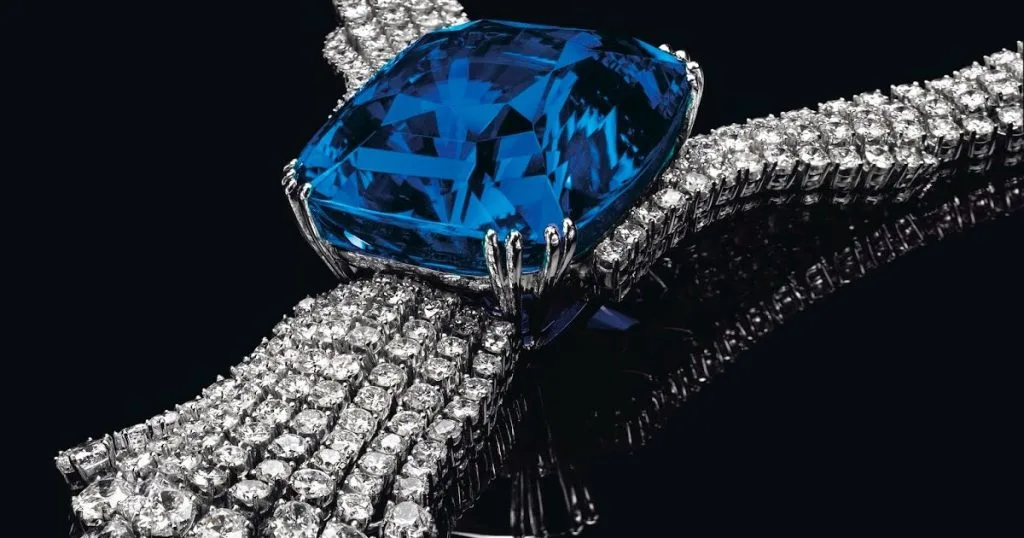
The world of high-end jewelry and gemstones is a universe of its own, filled with stories of magnificent discoveries, royal provenance, and record-breaking sales. Recently, one such event captivated gem enthusiasts and collectors alike: the sale of the “Blue Belle” sapphire. This isn’t just a gemstone; it’s a piece of natural art, and its recent auction marks a significant moment in the history of precious stones.
A Deep Dive into the “Blue Belle”

The “Blue Belle” is a truly exceptional specimen, and its name evokes the kind of elegance and rarity befitting a gemstone of this caliber. At a staggering 392.52 carats, it stands as one of the largest natural sapphires ever to be sold at auction. To put that into perspective, most high-quality sapphires found in jewelry are under 5 carats. This gem’s immense size, combined with its flawless clarity and rich, vivid blue hue, makes it an extraordinary rarity. The term Blue Belle sapphire has now become synonymous with a new benchmark in the world of large, unheated gemstones.
The sapphire’s origin is equally as important to its value. It is a Ceylon sapphire, sourced from Sri Lanka, an island with a centuries-old reputation as the “Gem Island.” Ceylon sapphires are highly prized for their vibrant, often “cornflower blue” color, a shade that is both brilliant and deep. What makes the Blue Belle sapphire particularly special is that its remarkable color is said to be completely natural and unheated. In the gem world, heat treatment is a common practice used to enhance a stone’s color and clarity. An unheated sapphire of this size and quality is incredibly rare, commanding a significant premium and making the Blue Belle sapphire a true masterpiece of nature. This natural state is a key factor that differentiates it from other stones and fuels the intense interest from connoisseurs and investors.
The Auction and Its Significance
The recent sale of the Blue Belle sapphire for $11.3 million sends a clear message about the enduring value of natural, high-quality gemstones. In a world of ever-changing investment trends, gems like this one hold their value not just as financial assets, but as tangible pieces of history and natural beauty. The price tag for the Blue Belle sapphire reflects more than just its weight and color; it accounts for its rarity, provenance, and the story it carries. The auction itself was a spectacle, with bidders from around the globe vying for the opportunity to own a piece of geological history. The high-value sale of a stone of this magnitude creates a buzz and drives search interest for related topics, such as:
- Largest sapphires ever sold
- Ceylon sapphire value
- Famous gemstones and their history
- High-end jewelry auctions
- The story of the Blue Belle sapphire
- What makes a sapphire valuable?
By incorporating these key phrases and questions, this article not only informs but also becomes a valuable resource for anyone searching for information on the world’s most magnificent gems. The auction result solidifies the status of the Blue Belle sapphire as a truly legendary stone.
The Allure of the “Top Lot”
The “Blue Belle” wasn’t a solitary star; it was a leading piece in an auction featuring other important lots. Its status as a “top lot” reinforces its rarity and desirability. This particular sale highlights a growing trend among affluent collectors to seek out unique, historic, and exceptionally large colored gemstones. Unlike diamonds, which have a standardized grading system, colored gemstones like the Blue Belle sapphire are valued based on a more complex set of criteria including color saturation, clarity, cut, and most importantly, origin and rarity. The uniqueness of each stone makes every auction a one-of-a-kind event.
The sale of the Blue Belle sapphire also underscores the importance of provenance. A gem with a known and reputable origin, especially one from a world-renowned source like Sri Lanka, adds another layer of value. The journey of the Blue Belle sapphire from the earth’s depths in Ceylon to the pinnacle of the international auction market is a story that captivates and inspires. It is a testament to the fact that these stones are not just commodities but are treasures that connect us to the natural world.
In conclusion, the Blue Belle sapphire is more than just a stone; it is a symbol of rarity, a masterpiece of nature, and a testament to the enduring allure of extraordinary gems. Its record-setting sale cements its place in history and continues to fuel the fascination with the world’s most precious and beautiful treasures. The legacy of the Blue Belle sapphire will undoubtedly inspire future generations of gemologists, collectors, and enthusiasts to appreciate the profound beauty that lies within the earth.
Frequently Asked Questions: The Blue Belle Sapphire
Based on the article provided and recent record-breaking auction history, here are five frequently asked questions about the legendary Blue Belle sapphire:
1. What makes the Blue Belle sapphire a “legendary” gemstone?
The Blue Belle (often called the Blue Belle of Asia) is legendary due to its colossal size—392.52 carats—making it one of the largest faceted sapphires ever sold at auction. Beyond its weight, it is prized for its “cornflower” or “peacock” blue hue and its remarkable clarity. Unlike most large gemstones, it is unheated, meaning its vibrant color and transparency are entirely natural, a rarity that significantly increases its value to collectors.
2. Where did the Blue Belle sapphire originate?
The sapphire was discovered in 1926 in Pelmadula, Ratnapura, a famous gem-mining region in Sri Lanka (formerly known as Ceylon). Sri Lanka is known as the “Gem Island” because its unique geological conditions produce some of the world’s finest blue sapphires, celebrated for their exceptional brightness and saturation.
3. Was the Blue Belle ever owned by royalty?
While it has a “royal” history, it never officially entered a royal collection. In 1937, it was purchased by British motor magnate Lord Nuffield with the rumored intention of presenting it to Queen Elizabeth (the Queen Mother) on her coronation day. However, for reasons that remain a mystery, the sapphire “disappeared” into private hands instead and was not seen in public again for over 35 years.
4. How much did the Blue Belle sapphire sell for at auction?
The Blue Belle has set significant records at auction. In November 2014, it sold at Christie’s Geneva for $17.3 million, which at the time shattered the world record for the highest price ever paid for a sapphire at auction. Most recently, it returned to the spotlight in 2024/2025, continuing to command multi-million dollar prices that reflect its status as a “top lot” and a premier investment-grade gemstone.
5. Why is “unheated” status so important for this stone?
In the gem world, heat treatment is a standard industry practice used to improve the color and clarity of sapphires. However, the Blue Belle is naturally vivid and clear without any heating. An unheated stone of this massive size is an extreme geological anomaly. This “natural” state serves as proof of its superior quality and makes it much more valuable to connoisseurs than a treated stone.